The Power of Repetition: How Training Builds Independent Learners
As educators and parents, we often find ourselves juggling multiple tasks at once. Whether it’s managing a classroom full of energetic learners or supporting a child at home, we all appreciate strategies that help children grow in independence. One simple yet powerful tool? Repetition.
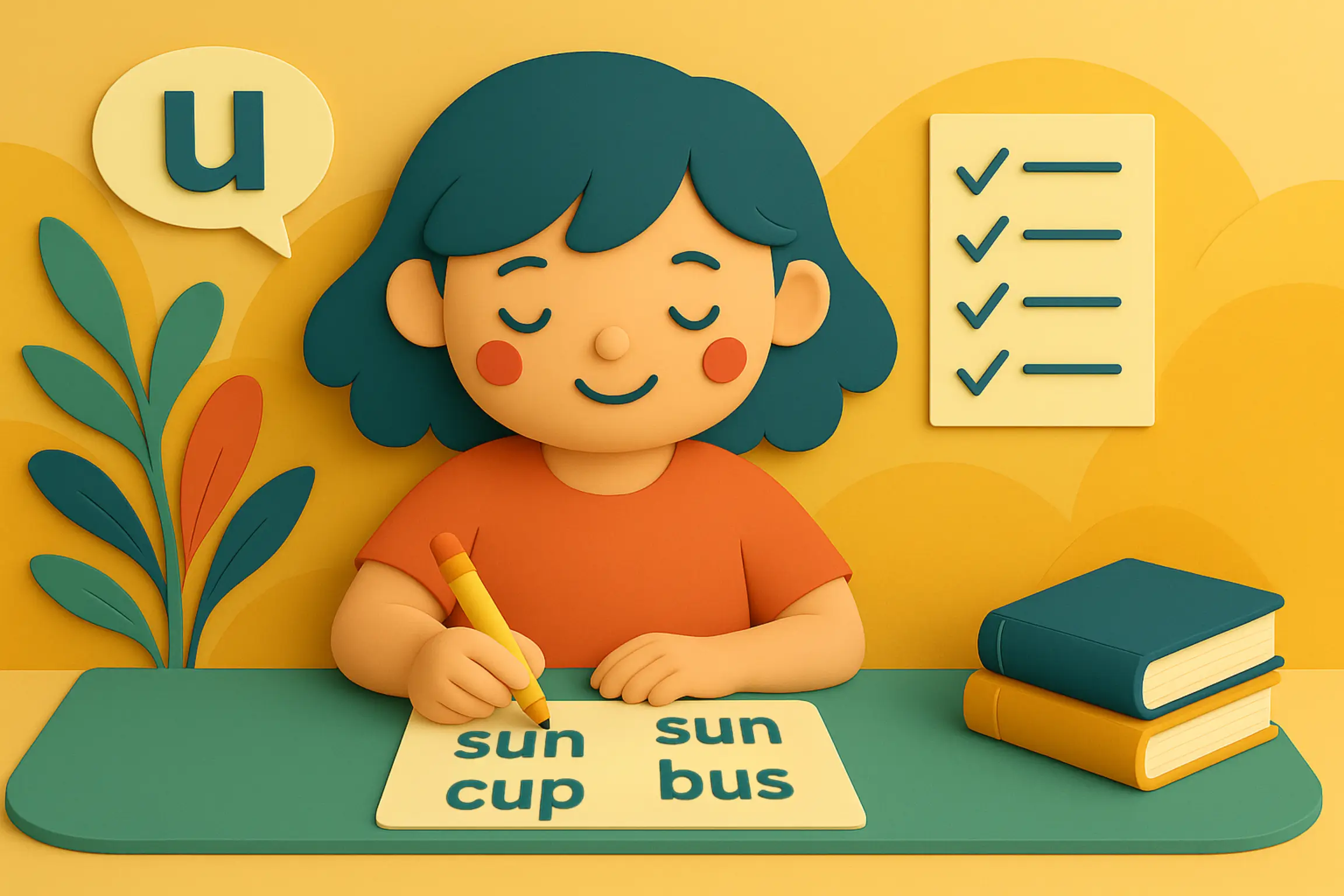
When students practice a skill repeatedly, they become more confident and capable of working on their own. This is especially true with phonics-based worksheets. For example, while working on the short u words in the Tracing and Writing bundle, students engage with a comprehensive set of the most common short u words. They will encounter the same words again in different activities, such as in the Matching worksheets, reinforcing their learning in new and engaging ways.
At first, children may complete fewer sheets as they get used to the structure and expectations. But that’s completely okay! Over time, as they encounter familiar patterns—like short vowel sounds—they’ll move through activities with greater ease. Even if they don’t master every concept immediately, they’ll see those words again in later lessons, reinforcing their learning naturally.
For teachers and parents, worksheets also serve as a helpful tool to check for understanding. They provide a clear picture of which phonics patterns students grasp and where they might need extra support. This insight allows for targeted instruction that meets children where they are.
Some may say phonics practice is tedious, but experience in the classroom tells a different story. When children engage in consistent, structured learning routines, they don’t just absorb information—they gain confidence. The predictability of phonics activities helps them feel successful, and that success fuels their motivation to keep learning.
So while repetition might not seem exciting at first glance, it’s actually a key ingredient in helping kids become independent readers. And for busy educators and parents, that’s a win-win!