Why the Shift to Phonics from Whole Word Reading?
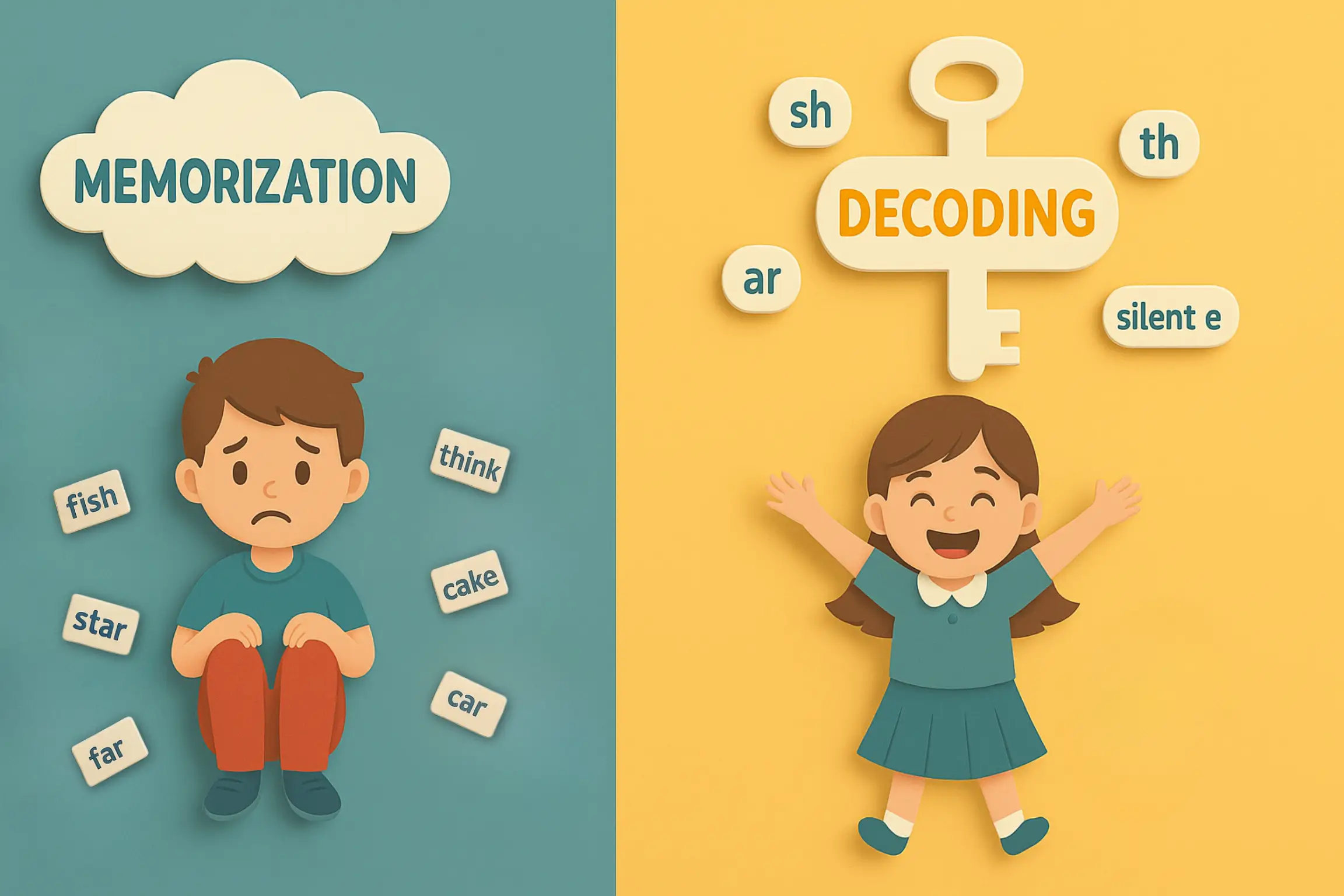
There is a simple but powerful difference between memorizing whole words and learning how words work. When learners understand the sound-spelling patterns inside words, they can apply that knowledge to many new words instead of relying on visual memory alone.
That is why Orchard Literacy resources are built around explicit phonics instruction, predictable routines, and cumulative practice. The goal is not to make reading feel complicated. The goal is to make the next step clear.
Why phonics gives learners more to work with
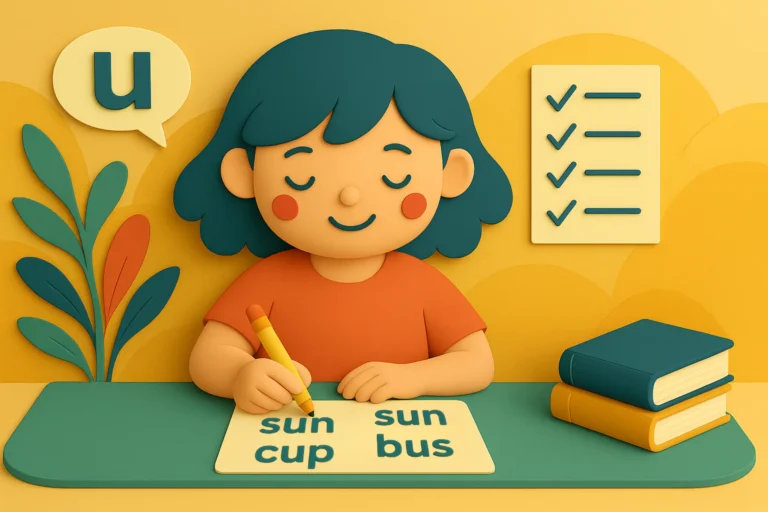
With a structured phonics approach, students learn the patterns that help them decode, spell, and read unfamiliar words with growing independence. Instead of guessing from the first letter or memorizing each word as a separate picture, they learn how sounds and letters connect.
This is especially helpful for early readers, struggling readers, and learners who need repeated practice with a clear routine. A predictable sequence reduces decision fatigue for teachers and gives students a path they can follow.